

Peri-Menopause / Menopause
Navigating the Perimenopausal Maze: A Journey to Rejuvenation with Physiologic Restoration
By Dr Ace ND
As a naturopathic doctor, I see many women struggling with complex, multifaceted health issues—especially during the transition into perimenopause. One case that stands out is a 49-year-old female who came to me feeling completely lost in her own body.
She had been dealing with hormonal imbalances since her teenage years, suffering for decades without truly understanding why. In the past three years, her symptoms had become unbearable, and the last year before she started hormone therapy was particularly devastating. She felt as though she was aging prematurely and had no idea how to stop it. Frustration, exhaustion, and a deep sense of hopelessness had set in.
A Complex Case: More Than Just Hormones
This patient’s history was anything but simple. She had a long-standing struggle with autoimmunity, chronic Lyme disease, and even Botox poisoning. On top of that, she had been on birth control for over 30 years, which never truly resolved her hormonal symptoms. Instead, it left her with persistent cramps, mood swings, and other imbalances that never seemed to stabilize.
Like many health-conscious patients, she had already tried several dietary interventions, including eliminating gluten—which did improve her mood—but nothing seemed to fully resolve her symptoms. Sleep was still a major issue, and despite trying countless approaches, she couldn’t figure out why she felt so depleted.
She wasn’t just dealing with perimenopause. Her diagnoses included:
✅ Chronic fatigue
✅ Insomnia
✅ Iron deficiency
✅ Hypoglycemia
✅ Nervousness and heightened anxiety
She needed more than just a surface-level approach.
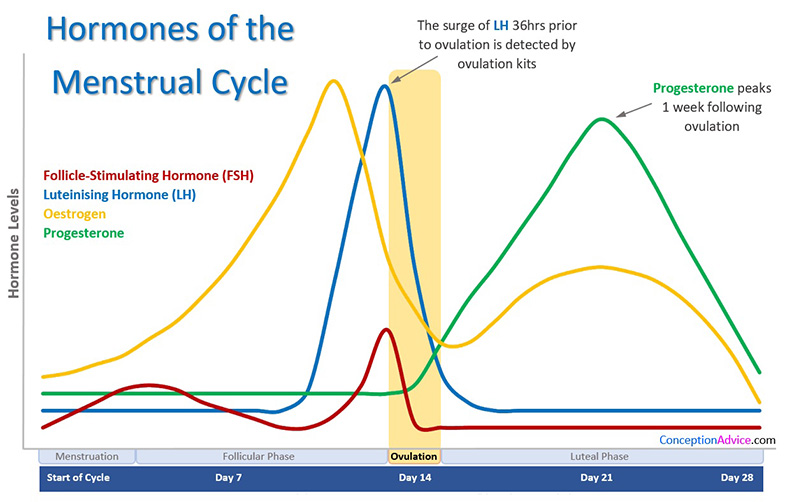
The Turning Point: Physiologic Hormone Restoration
For complex cases like this, hormones are not the only solution, but they can be the catalyst for transformation. I knew that if we could restore her hormonal balance, we could give her the resiliency she needed to tackle the deeper metabolic, immune, and toxicity issues.
So, we introduced Physiologic Hormone Restoration Therapy (PHRT)Ⓡ—a therapy that mimics the body’s natural hormone rhythms, rather than static doses of synthetic hormones. But we didn’t stop there. We also assessed her mitochondrial function, gut health, and nutrient status, making sure to support her body holistically while she transitioned into this new phase of life.

The Results: A Life-Changing Shift
Within just six weeks, she felt like a completely different person.
✅ Her sleep improved dramatically.
✅ Her mood stabilized, and she felt emotionally resilient.
✅ Lethargy and fatigue diminished.
✅ Her skin took on a youthful glow—rosier, more vibrant, and full of life.
✅ She finally felt in control of her body again.
For a woman who had spent years in a downward spiral of exhaustion, confusion, and frustration, this was a profound change. She told me, “I feel like I’m getting my life back.”
The Bigger Picture: More Than Just Hormones
While Physiologic Restoration was a game-changer, my approach didn’t stop there. Balancing hormones alone isn’t enough—it’s about optimizing the whole system. This means:
✔ Supporting liver function to process hormones effectively.
✔ Improving gut health to reduce inflammation and enhance nutrient absorption.
✔ Addressing toxicity and immune dysfunction to reduce the body’s stress load.
✔ Fine-tuning metabolic health to ensure long-term vitality.
Hormones work best when they are part of a comprehensive strategy, not a standalone fix.

Final Thoughts: The Power of Physiologic Hormone Restoration Therapy (PHRT)Ⓡ
This case is a powerful reminder that hormones, when used appropriately, can be life-changing. But they are not a “one-size-fits-all” solution. Every patient is unique, and it takes clinical skill to tailor the right approach—balancing hormone therapy with lifestyle, nutrition, and detoxification strategies.
If you’re a practitioner, my advice is this: Think beyond the numbers. Look at the whole patient. Physiologic Restoration is an incredible tool, but it works best when combined with a holistic, patient-centered approach.
If you’re a woman struggling with perimenopause, fatigue, mood swings, or feeling like your body is aging too fast, know this: You don’t have to suffer. There are solutions that work with your body, not against it.
I’m honored to share my experience and knowledge to help others reclaim their health and vitality. Let’s keep pushing the boundaries of what’s possible in functional medicine.

